Electrical Panel Replacement & Service Upgrades in St. Louis
Expand your power capacity, eliminate overloaded circuits, and meet modern electrical safety standards.
Reliable Electrical Panel & Capacity Upgrades
Modern St. Louis homes rely on significantly more electrical power than the systems designed several decades ago were originally built to handle. With the increasing prevalence of energy-intensive appliances such as central air conditioning units, induction cooktops, home additions, and electric vehicle (EV) chargers, utilizing an outdated service box can lead to frequent breaker trips, frustrating voltage drops, and serious thermal hazards.
Recognizing this critical need for modernization, Central West End Electric specializes in replacing obsolete equipment with state-of-the-art, code-compliant 200-amp service panels, upgraded meter sockets, and robust service entrance cables. Our dedicated team works to expand your property's electrical capacity in a safe and efficient manner, ensuring that your power remains steady, reliable, and free from hazards, so you can enjoy the comfort and convenience of modern living without compromise.
Our Electrical Panel Services
100A to 200A Service Upgrades
We upgrade outdated 100-amp or 150-amp electrical panels to 200-amp service, expanding total power capacity to safely run heavy modern home appliances.
Meter & Service Entrance Upgrades
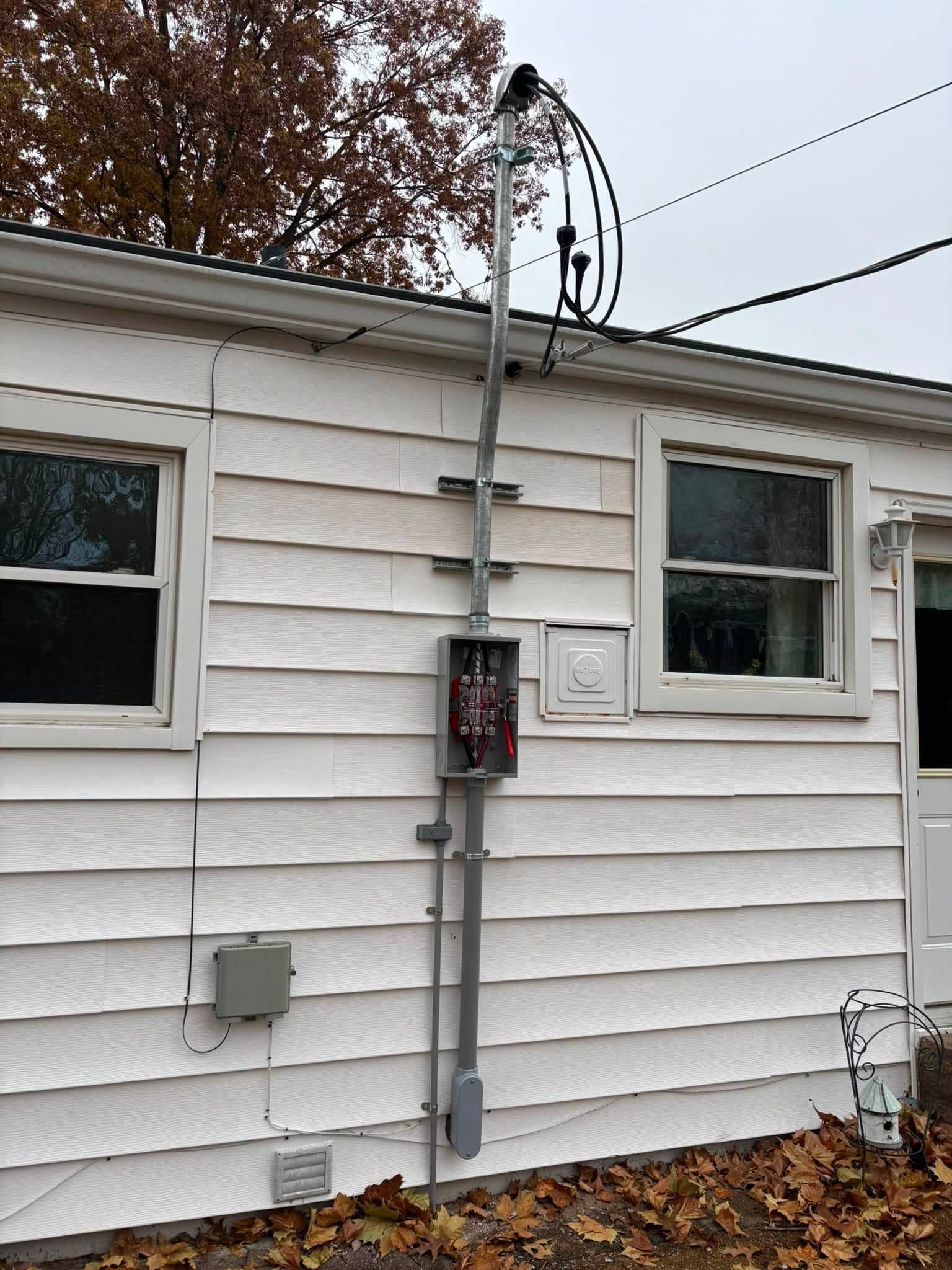
We replace worn service entrance cables, weatherheads, and meter sockets to comply with utility requirements and supply reliable power from the grid to your main breaker box.
Hazardous Panel Replacement
We replace obsolete, high-risk panel brands such as Federal Pacific Electric (FPE) and Zinsco to protect your property and satisfy home insurance coverage requirements.
Why St. Louis Homeowners Need Panel Upgrades
Powering modern living requires an updated, safe electrical foundation.
Powering High-Draw Appliances
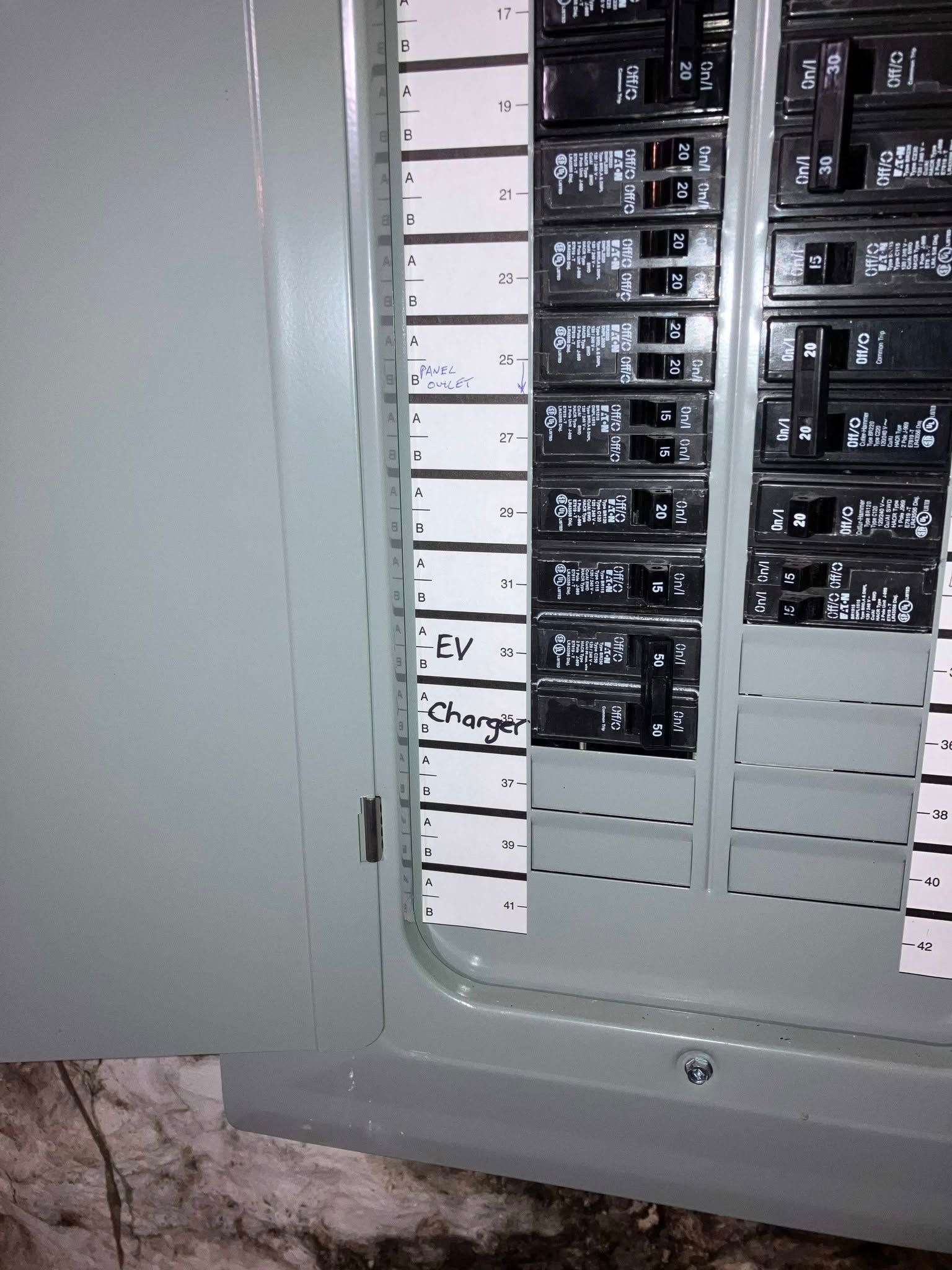
Modern additions like Level 2 EV chargers, whole-home generators, induction ranges, and central HVAC units demand substantial electrical current that legacy panels cannot support.
Satisfying Insurance Requirements
Many home insurance carriers refuse coverage or charge higher premiums for homes operating with hazardous Federal Pacific, Zinsco, or fuse-based service panels.
Supporting Home Renovations
Building room additions, finishing basements, or remodeling kitchens requires extra breaker slots and expanded amperage to satisfy current building codes.
Eliminating Overloaded Circuits
Upgrading to a 200-amp main panel prevents dangerous overheating, buzzing breakers, and unexpected power drops across your home.
Panel Replacement FAQs
Why do home insurance companies require replacing Federal Pacific or Zinsco panels?
Federal Pacific Electric (FPE) and Zinsco panels have documented design flaws where breakers frequently fail to trip during overloads or short circuits. Insurance carriers often require replacing these hazardous panels with modern equipment before issuing or renewing home coverage.
What is the difference between a 100-amp and a 200-amp service panel?
A 100-amp panel provides basic electrical current suitable for smaller properties with minimal electronics. A 200-amp main panel doubles total electrical capacity, providing the necessary amperage and breaker space to safely power high-draw HVAC units, kitchen remodels, EV chargers, and hot tubs.
Do I need a city permit to replace an electrical panel in St. Louis?
Yes, replacing or upgrading a main electrical panel in St. Louis City or St. Louis County requires a municipal electrical permit and a final inspection to verify code compliance and safety standards.
How long will my electricity be shut off during a panel replacement?
Power is typically shut off for 4 to 8 hours on the day of installation while our technicians replace the panel box, service entrance lines, and ground connections safely.
Will an electrical panel replacement allow me to install an EV charger?
Yes, upgrading to a 200-amp service panel provides the physical breaker space and electrical load capacity required to run a dedicated 240-volt Level 2 EV charging circuit.