Electrical Repairs in St. Louis, MO
Fast diagnostic repairs for dead outlets, tripping breakers, flickering lights, and damaged wiring.
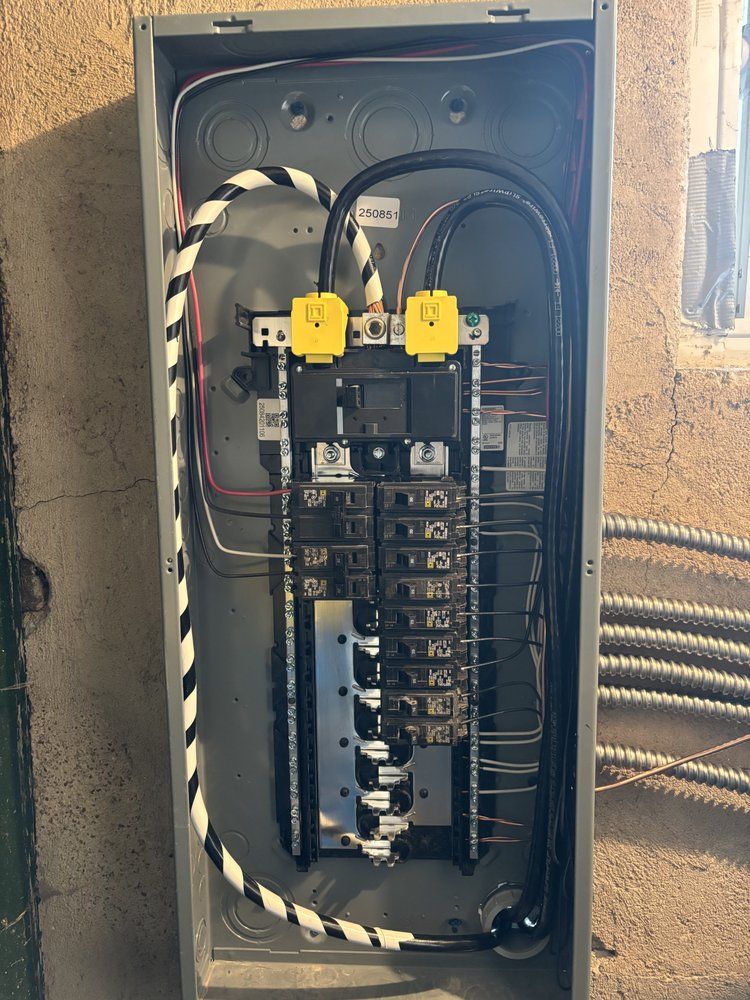
Safe, Reliable Electrical Repair Solutions
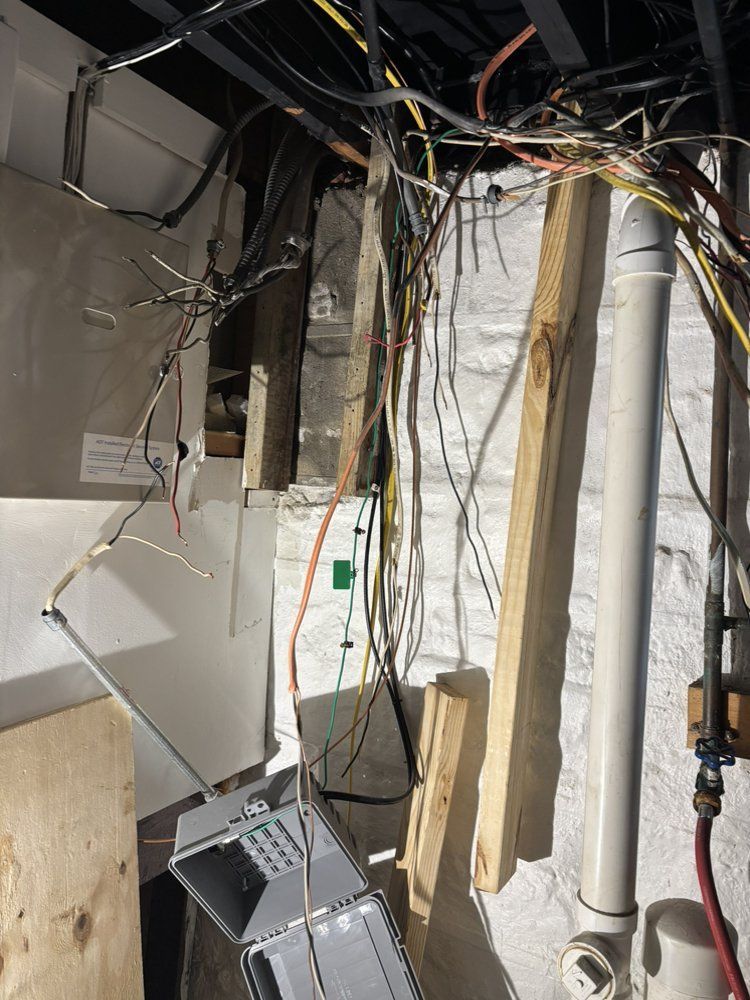
Minor electrical issues, such as dead wall plugs or buzzing switches, often signal deeper, hidden wiring faults lurking behind your drywall. These seemingly small problems can indicate more serious concerns that, if left unaddressed, may escalate. Running faulty electrical components generates heat buildup, which can put your home's electrical grid under unnecessary stress and potentially lead to more significant hazards. At Central West End Electric, we specialize in diagnosing and repairing electrical breakdowns in the older homes common to the Central West End, Clayton, and University City, where original knob-and-tube or aluminum wiring from decades past often hides behind the walls.
Our team restores stable power to your rooms and pulls the proper permits with St. Louis City and County when a repair requires one. With our upfront flat-rate pricing and a safety check on every repair visit, you'll know exactly what's wrong and what it costs before we start. Don't let minor issues turn into major inconveniences, contact us today!
Outlet & Switch Repairs
We fix dead wall plugs, replace loose receptacles, upgrade ungrounded two-prong outlets, and install modern GFCI and AFCI breakers to protect against shocks and arc faults.
Circuit & Wiring Fixes
We replace worn service entrance cables, weatherheads, and meter sockets to comply with utility requirements and supply reliable power from the grid to your main breaker box.
Lighting & Outdoor Electrical Repairs
Our technicians restore power to non-working light fixtures, fix malfunctioning dimmer switches, and repair weather-damaged exterior floodlights and landscape wiring.
Common Signs You May Need Electrical Repairs
- Outlets or wall switches feel warm to the touch or show scorch marks.
- Plugs fall out loosely from wall receptacles without holding a firm connection.
- GFCI outlets reset frequently or fail to reset when you press the button.
- Light switches produce subtle buzzing, clicking, or sparking sounds when flipped.
- Overhead light fixtures flicker intermittently across specific rooms.
- Dedicated appliance outlets stop providing power to dryers, ranges, or refrigerators.
- Exterior floodlights or outdoor garden outlets fail after heavy rain.
- Individual wall plugs stop working while the circuit breaker remains ON.
Electrical Repair FAQs
Why do my wall plugs feel loose when I plug in an appliance?
Loose outlets happen when internal metal contact springs wear down over time. Worn outlets create weak electrical connections that generate excess heat, requiring receptacle replacement to maintain safety.
What is the difference between a GFCI and an AFCI outlet?
A GFCI (Ground Fault Circuit Interrupter) protects people from electric shock near water sources like kitchens and bathrooms. An AFCI (Arc Fault Circuit Interrupter) detects unintended electrical arcing inside wall wiring to prevent structural fires.
Can an electrician replace old two-prong outlets with grounded three-prong plugs?
Yes, we can upgrade two-prong outlets by installing grounded wiring or placing GFCI protection on ungrounded circuits to safely accept three-prong plugs per building codes.
Why does my light switch make a buzzing sound when turned on?
Buzzing light switches usually stem from loose wire terminations behind the wall plate or worn internal contacts inside older dimmer controls.
Do I need a dedicated 240V circuit for a new electric dryer or stove?
Yes, heavy household appliances require dedicated 240-volt circuits direct from your breaker panel to prevent circuit overloads and ensure proper operating power.